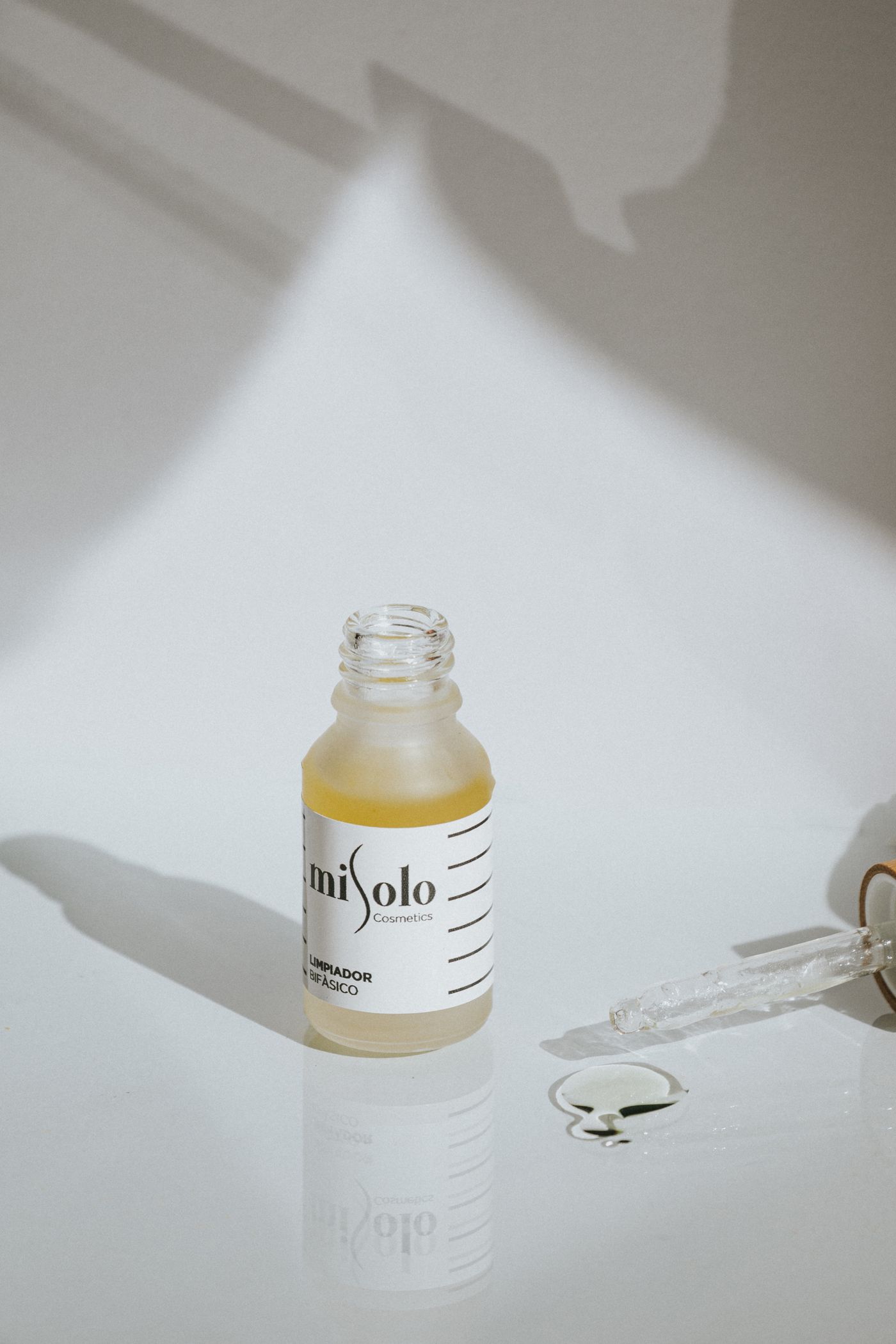
Read the type of claim
Identify whether a source is describing cosmetic appearance, a product category, an educational explanation or a medical claim. Record what the source actually says and where its information comes from. Marketing language alone does not establish evidence or suitability.
Learning vocabulary with context
When learning a term, keep its definition, source and intended setting together. A consumer label, a classroom explanation and a professional protocol serve different purposes. Ask which meaning belongs to the educational question.
Aesthetics has clear boundaries
Aesthetics terminology belongs in the learning scope; diagnosis, treatment decisions and invasive procedures do not follow from reading an article. Questions about an individual condition, contraindication or clinical procedure require an appropriately qualified professional. No clinical protocol is supplied here.
Compare sources carefully
Compare the author, publication context, supporting evidence, limitations and date where supplied. Keep unanswered questions visible rather than using an attractive image or a confident statement as proof.